Mechanism of ferroptosis: a potential target for cardiovascular diseases treatment
But equally, it is in the fking way
Combination-therapy with bedtime nph insulin and sulphonylureas gives similar glycaemic control but lower weight gain than insulin twice daily in patients with type 2 diabetes
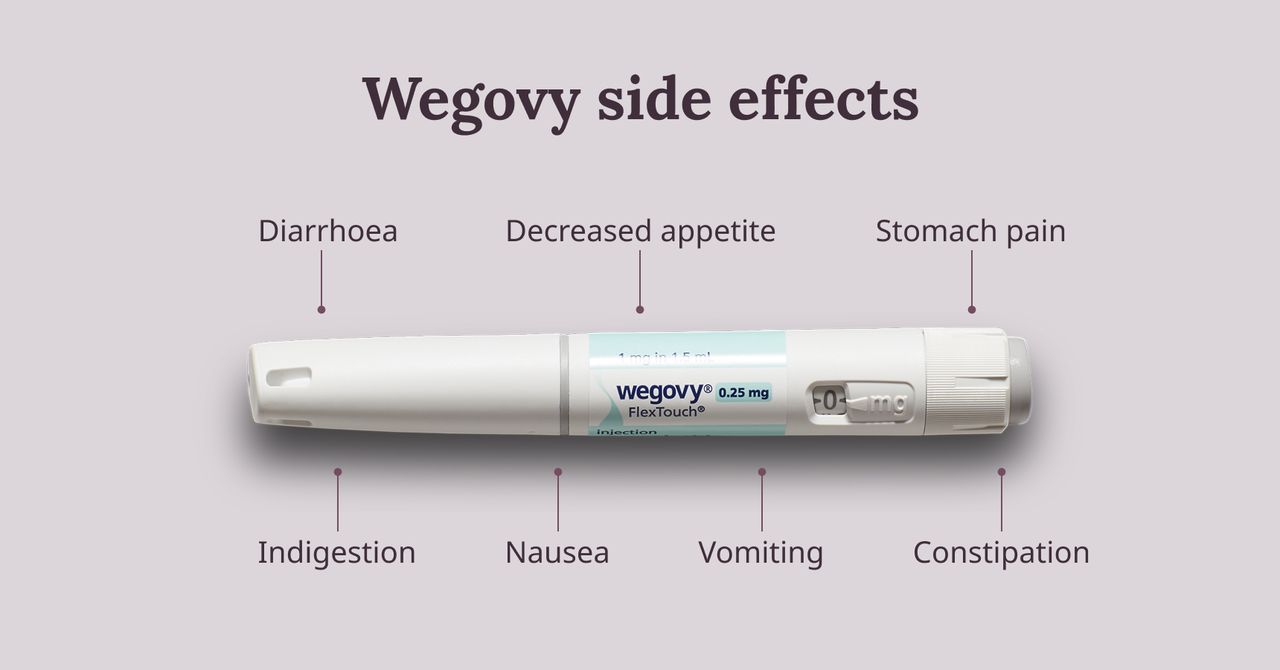
Gastrointestinal side effects are the second nausea, vomiting, diarrhea, abdominal pain, and constipation are the most commonly reported adverse reactions in the label, and stretching the interval can feel like an intuitive way to soften them

Pharmaceutical Manufacturers The primary defendants in GLP-1 lawsuits are typically the drug manufacturers who may be liable for: Failing to conduct adequate safety testing before bringing the drug to market Withholding information about known risks from the FDA, doctors, and patients Not updating warning labels despite mounting evidence of serious complications Prioritizing profits over patient safety Engaging in aggressive marketing that downplayed potential dangers Healthcare Providers In some cases, doctors or medical facilities may share liability if they: Failed to properly screen patients for risk factors Prescribed the medication for off-label uses without adequate warnings Ignored symptoms that suggested developing complications Did not order appropriate diagnostic tests when warning signs appeared Continued prescribing despite clear contraindications Distributors and Pharmacies Companies involved in distributing or dispensing GLP-1 medications might be liable if they: Failed to provide the required safety information to patients Distributed medications without proper storage or handling Dispensed drugs obtained from unauthorized or unsafe sources Our attorneys thoroughly investigate your case to identify all responsible parties and hold them accountable for your injuries















.webp?width=900&height=1201&name=Semaglutide%20Image%202_900x1200%20(without%20phone).webp)